Tidghine Hash: Why Cannabis Enthusiasts Still Talk About It
If you’ve ever spent time around long-time cannabis users in Europe, there’s a good chance you’ve heard someone mention Moroccan hash. Not the flashy new concentrates or the latest vape cartridges — but the old-school resin blocks that have been circulating for decades.
One name that comes up fairly often in those conversations is Tidghine hash.
It isn’t marketed the way modern cannabis products are. You usually hear about it through word of mouth — someone who tried it in Amsterdam years ago, or someone who remembers the distinctive smell of Moroccan hash from the Rif Mountains.
The name “Tidghine” refers to a mountainous area in northern Morocco. That region is part of the Rif, a place where cannabis has been grown for generations. The climate there is warm, dry, and surprisingly well suited for cannabis plants.
For a long time, farmers in that region didn’t produce flower for smoking the way many modern growers do. Instead, they focused on producing resin — the tiny crystal-like glands on cannabis plants that contain cannabinoids and aromatic compounds.
That resin is what eventually becomes hash.
What Tidghine Hash Actually Is
At its simplest, Tidghine hash is compressed cannabis resin collected using traditional techniques.
The method is quite different from modern extraction methods that rely on chemicals or specialized lab equipment. Moroccan producers have traditionally used a process known as dry sifting.
Once the cannabis plants are harvested and properly dried, the plant material is placed over fine mesh screens. Farmers gently shake or tap the plants so that the trichomes — the resin glands — fall through the screen.
Those resin particles are then gathered and pressed together.
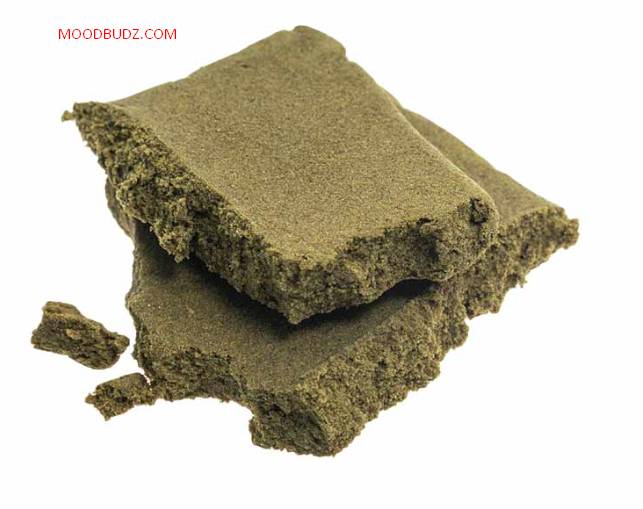
What you end up with is a soft, aromatic piece of hash.
Cannabis education platforms like Leafly explain that this method has been used in several regions of the world for centuries, long before modern cannabis concentrates appeared.
Why Moroccan Hash Became Famous in Europe
To really understand the reputation of Moroccan hash, you have to look at how cannabis culture developed in Europe.
For many people across the continent, their first encounter with hash happened in Amsterdam coffee shops.
During the 80s and 90s, Moroccan hash was one of the most common cannabis products available there. Travelers visiting Amsterdam would often try different varieties, sometimes without even knowing exactly where the hash came from.
Over time, certain styles became more recognizable.
Some people started asking specifically for Rif Cream Hash, while others searched for the best Moroccan hash Amsterdam coffee shops had available.
What made Moroccan hash appealing was its smoothness. It burned slowly, had a rich earthy aroma, and usually produced a relaxed but manageable effect.
Even today, experienced cannabis users visiting Amsterdam often look for traditional hash alongside modern cannabis strains.
The Aroma and Texture People Associate With It
Ask ten cannabis users how Moroccan hash smells and you’ll probably get ten slightly different descriptions.
Still, a few characteristics tend to come up again and again.
The aroma is usually described as:
- earthy
- slightly spicy
- sometimes sweet or herbal
The texture is another giveaway.
Good Moroccan hash is rarely rock-hard. When you warm it between your fingers, it softens slightly and becomes easy to crumble. This is one reason many people compare it to Rif Cream Hash, which is known for having a smooth, almost creamy consistency.
That texture makes it easy to mix with ground cannabis when rolling a joint.
How People Use Hash
Different regions have their own traditions when it comes to consuming hash.
In many European countries, the most common method is surprisingly simple — people mix small pieces of hash with cannabis flower and roll it into a joint.
This approach tends to create a slower burn and a deeper flavor.
Others prefer smoking hash in a pipe or water bong. In that case, users often soften the hash slightly before placing it in the bowl so it burns more evenly.
Some modern vaporizers can also handle hash, although results depend on the device.
Health resources like Healthline often mention that cannabis effects vary widely depending on cannabinoid content, terpene profiles, and personal tolerance levels.
Finding Quality Cannabis Products
As cannabis culture expands internationally, more people are exploring ways to find reliable cannabis products online.
Of course, quality matters.
Experienced users usually look for things like:
- clear product descriptions
- properly stored cannabis
- reliable customer feedback
Many people browsing online marketplaces start by exploring premium cannabis strains or looking for places where they can buy cannabis online with some level of confidence in the product quality.
For example, the MoodBudz cannabis store focuses on curated cannabis products and educational resources for people who want to learn more about cannabis culture and different product types.
Readers who want to explore available options can browse the premium cannabis strains section, visit the MoodBudz cannabis store, or read additional articles on the MoodBudz blog.
Häufig gestellte Fragen
Tidghine hash is a traditional Moroccan hash made from cannabis resin collected in the Rif Mountains of northern Morocco. The name comes from the Tidghine region, where cannabis has been cultivated for generations. Farmers use a dry-sifting method to separate resin from the plant before pressing it into hash blocks.
Yes, both varieties come from Morocco’s Rif region and share similar traditional production methods. Rif Cream Hash is often known for its softer, creamier texture, while Tidghine hash is typically recognized for its earthy aroma and classic Moroccan resin profile.
Amsterdam coffee shops helped introduce Moroccan hash to many cannabis users across Europe. Visitors looking for hash Amsterdam coffee shops offer often encounter Moroccan varieties because they have a long history in the European cannabis market.
Experienced users usually look for several characteristics when searching for the best Moroccan hash Amsterdam shops carry, including:
1. soft or slightly creamy texture
2. strong natural cannabis aroma
3. light brown or golden color
4. smooth smoke and balanced effects
These qualities often indicate high-quality resin.
Hash can be consumed in several ways depending on personal preference. The most common methods include:
1. mixing hash with cannabis flower in a joint
2. smoking hash in a pipe or bong
3. using compatible vaporizers
4. incorporating hash into cannabis-infused recipes
Many cannabis enthusiasts prefer mixing small pieces of hash with flower because it enhances flavor and produces a slower burn.
A Long Tradition That Still Exists Today
Cannabis culture changes quickly. New products appear every year, and technology keeps pushing the industry forward.
But traditional hash still has its place.
Products like Tidghine hash represent a much older side of cannabis culture — one rooted in regional traditions and simple production techniques rather than laboratory processes.
For many cannabis enthusiasts, that history is part of the appeal.
And even in a world full of modern concentrates and designer strains, it’s interesting to see how something as old as Moroccan hash continues to spark curiosity among new generations of cannabis users.